
Companies with mobile employees generally have two broad options - provide the vehicles employees use for work themselves, or reimburse them for using their own personal vehicles.
Fleet vehicles and company cars can be attractive to businesses as they give them direct control over the vehicles, but that control comes with acquisition costs, maintenance, insurance, and other complications.
Related: Cents-Per-Mile Reimbursement vs FAVR - Which Is Right for Your Business?
Reimbursement for personal vehicles sacrifices benefits like having more control over vehicle type, equipment, and branding, but you’re also far less liable for the actual vehicles themselves.
However, standard cents-per-mile (CPM) reimbursement usually doesn't reflect real driving costs among different locations, so companies with many high-mileage drivers spread across different regions use fixed and variable rate (FAVR) reimbursement.
Both fleet vehicles and FAVR are good options for companies with many high mileage drivers, but they each have unique challenges and benefits. Here’s everything companies like yours need to know.
Key Points
- Fleet programs give companies greater control, but require them to own or lease vehicles and manage virtually every related cost.
- FAVR reimburses employees for using their own vehicles, combining fixed ownership costs with variable operating costs.
- Moving from fleet to FAVR can reduce asset costs, administrative work, and problems caused by unused vehicles.
- Fleet can still be the better choice when employees need specialized, shared, branded and/or heavily equipped vehicles.
- Companies can use a mixed approach, keeping fleet vehicles where necessary and moving other drivers to FAVR.
Fleet vs. FAVR at a Glance
Benefits of a Company Fleet
Easily the biggest benefit of a company fleet is control. Companies can standardize vehicle types, ensure consistent branding, and enforce maintenance and safety standards across the entire fleet.
Fleet vehicles also allow companies to equip cars or trucks with specialized tools, storage, or technology that employees may not be able to provide on their own. For roles that depend on specific equipment or configurations, this level of customization might be essential.
In addition, fleet programs can simplify compliance and oversight. Because the company owns or leases the vehicles, it can more easily track usage, enforce policies, and manage risk across its mobile workforce.
Related: Fleet Vehicle Programs Explained | Company-Provided Vehicle Pros and Cons
What Does a Company Fleet Really Cost?
The purchase or lease payment is only the beginning of a fleet’s cost.
Companies also need to account for depreciation, insurance, registration, fuel, maintenance, repairs, replacement vehicles, accident management, and administration. Those expenses continue even when a vehicle isn’t being used efficiently - or at all.
An employee may leave the company while a leased vehicle still has months remaining. A company car might sit unused for weeks between assignments. If a vehicle is in the shop, the business may need to provide a replacement or accept lost productivity.
This is a tradeoff companies need to make when choosing fleet - is the additional control over branding, vehicle type, and equipment worth the additional overhead and management requirements?
How FAVR Works
FAVR is an IRS-sanctioned employee mileage reimbursement method. With mileage reimbursement, employees use their own personal vehicles to do their work, and companies reimburse them for costs that they incur.
Smaller companies or teams often use the annual IRS mileage rate to reimburse their team. This is simple, but for high-mileage drivers and teams spread over several regions, that single rate may result in over-paying or under-paying your team.
Related: FAVR Reimbursement Explained: How Fixed and Variable Rate Programs Work
FAVR is designed to reflect an employee’s location, and it separates driving costs into fixed and variable categories. The fixed portion covers costs that don’t scale with miles driven like depreciation, insurance, registration, and taxes. The variable portion covers expenses that rise with mileage, like fuel, maintenance, oil, and tires.
When set up properly, FAVR reimbursements are tax-free, though that requires employees to meet IRS requirements regarding annual mileage minimums, vehicle eligibility, insurance, and documentation.
Why Companies Move From Fleet to FAVR
Lower Vehicle Costs
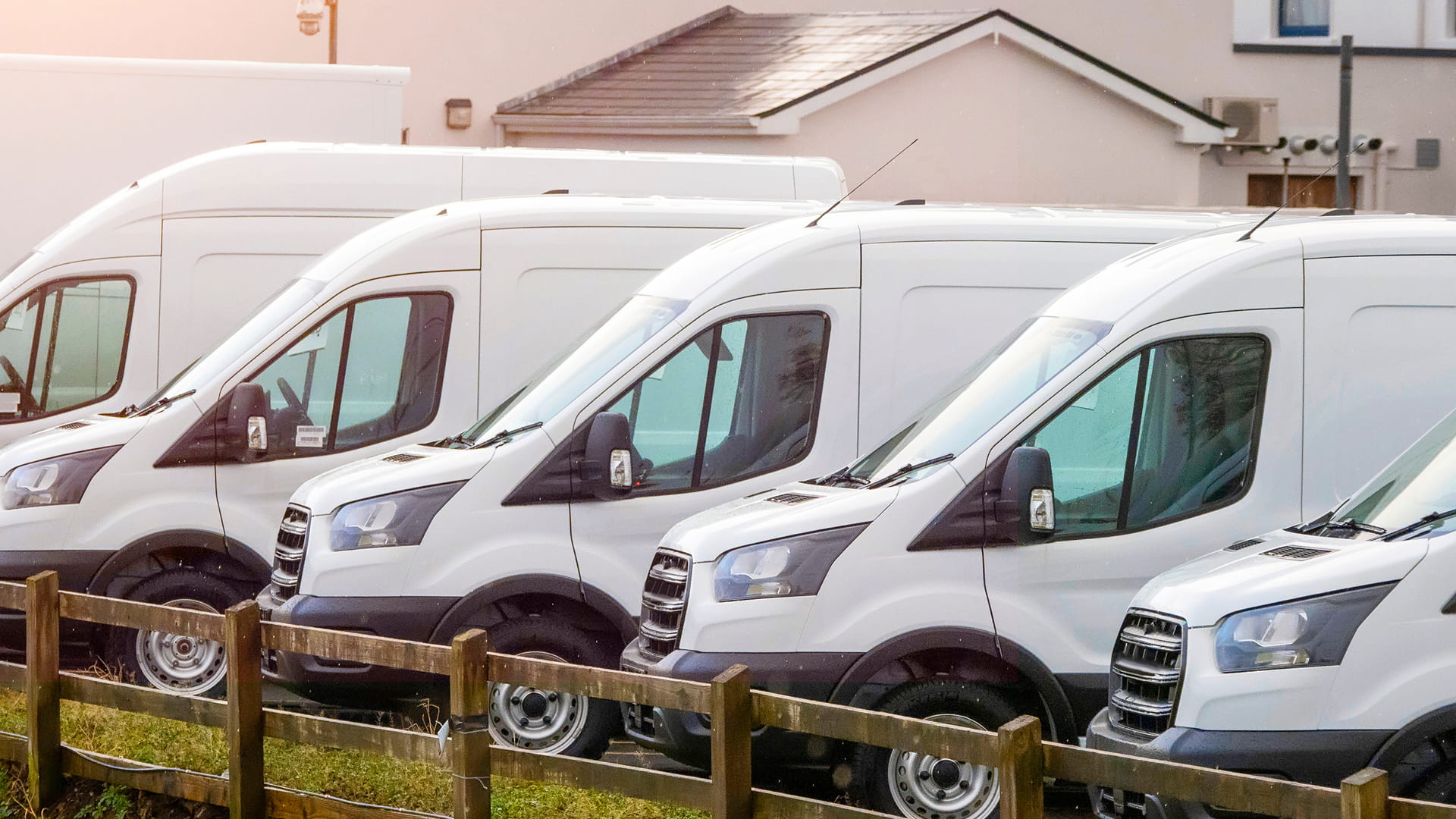
Fleet vehicles are company assets, so the company absorbs their purchase or lease costs, depreciation, insurance, and maintenance - and those costs don’t disappear when a vehicle is underused. The business keeps paying those costs even if the car sits idle.
With FAVR, companies no longer need to maintain a company-owned vehicle for every driver. Instead, it reimburses drivers just for the business portion of their personal vehicle’s usage.
That can reduce capital tied up in fleet assets and remove the need to manage resale values, lease returns, and unused inventory.
Related: Car Allowance vs. Mileage Reimbursement Explained | Which Method Is Right for Your Business?
Less Administration
With fleet vehicles and company cars, vehicles need to be purchased, assigned, registered, insured, maintained, repaired, replaced, and eventually sold. Employee turnover, accidents, fuel programs, and temporary vehicle needs create even more work.
FAVR still requires things like accurate mileage records, insurance information, and eligible vehicles, but the company no longer is required to manage the physical vehicle itself much at all, removing a significant amount of operational work.
Easier Scaling
Fleet programs are tied to physical assets. Adding an employee may require acquiring another vehicle, while reducing headcount can leave the business with cars it no longer needs.
With FAVR, a driver can be added without purchasing another asset. If the employee leaves or changes roles, the reimbursement can stop without leaving a used vehicle behind.
How to Move From Fleet to FAVR
A fleet-to-FAVR transition doesn’t need to happen all at once.
Some companies begin with new employees or move drivers over as leases expire. Others offer fleet vehicles to current employees for purchase, allowing them to continue driving a vehicle they already know.
When set up properly with a dedicated mileage reimbursement solution, FAVR can be intuitive to maintain. However, calculating compliant rates requires extensive, up-to-date vehicle and regional cost data, so most companies will need a specialized FAVR provider.
Related: What Do Most Businesses Pay for Mileage Reimbursement? | How Much To Reimburse Your Drivers’ Mileage
Fleet vs. FAVR FAQ
Is FAVR cheaper than a company fleet?
It can be. FAVR can reduce vehicle acquisition, depreciation, insurance, maintenance, and administration costs. Actual savings depend on the current fleet, employee mileage, locations, and reimbursement amounts.
Does FAVR eliminate employer liability?
No, employees own and ensure their vehicles, but companies still need driver safety policies, insurance verification, and oversight of work-related driving.
Who owns the vehicle under FAVR?
The employee must own or lease the vehicle used under the program.
Can every employee use FAVR?
No, employees need to meet mileage vehicle, insurance, and documentation requirements. FAVR is typically intended for drivers who travel at least 5,000 business miles annually.
Can a company use fleet and FAVR together?
Yes, many businesses keep fleet vehicles for specialized roles while using FAVR or cents-per-mile reimbursement for employees who only need standard transportation.
Fleet vs. FAVR: Which Is Better?
Fleet offers maximum vehicle control, but companies pay for that control through ownership costs, administration, and reduced flexibility. When employees need specialized equipment, commercial vehicles, shared assets, or prominent branding, a company fleet may still be the right choice.
When employees need a car to visit customers, properties, or job sites, FAVR might make more sense. It can reduce fleet assets, scale more easily, reflect regional driving costs, and give employees more choice.
For many companies, the best approach may be to keep company cars where the specific vehicle itself matters and move the rest of your mobile workforce to FAVR.
Curious if this move is right for your team? Schedule a call with the mileage experts at TripLog today and get your team started!